


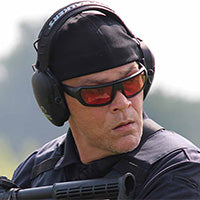

Safety Glasses vs. Ballistic Eyewear: What’s the Difference and Which Do You Need?
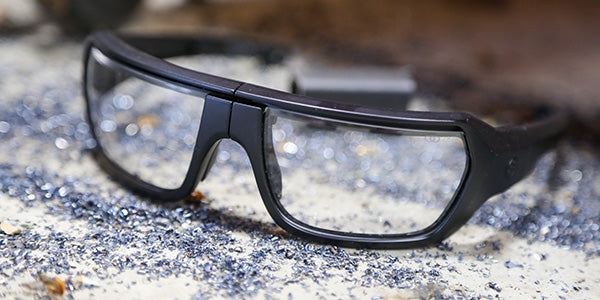

Not All Eye Protection Is Equal
Walk into any hardware store or job site, and you’ll see workers in clear-lens safety glasses. But are they protected well enough for the shooting range, law enforcement, or tactical training? Probably not.
There’s a big difference between basic safety glasses and ballistic-rated eyewear — and if you’re in high-risk environments, knowing that difference could protect your vision.
What Are Standard Safety Glasses?
Basic safety eyewear — often labeled ANSI Z87.1 — is designed to protect against:
- Low-mass impacts (like small debris or dust)
- Chemical splashes
- Workplace hazards in construction, manufacturing, or lab settings
They're great for general-purpose use, but not rated for extreme impact or projectile resistance.
If you’re using power tools, working around dust, or handling chemicals, Z87.1 eyewear is a good fit.
What Is Ballistic Eyewear?
Ballistic-rated eyewear goes beyond ANSI Z87.1+. It must meet military-grade performance standards, such as:
- MIL-PRF-32432, which tests against high-velocity projectiles traveling over 650 feet per second
- Rigorous optical clarity, lens retention, and durability testing
- Wraparound coverage to protect the full eye area
This is the standard required by military, tactical professionals, law enforcement, and serious shooting enthusiasts.
If you're at the range, on duty, or in a tactical environment — only ballistic eyewear will do.
Key Differences at a Glance
| Feature | Standard Safety Glasses (ANSI z87) | Ballistic Eyewear (MIL-PRF-32432) |
| Impact Tested | Yes (basic test for low mass/velocity) | Yes (high-velocity military-grade test) |
| Lens Strength | Moderate | Extreme (4x+ stronger) |
| UV Protection | Optional or limited | Standard |
| Use Case | General industry | Shooting, law enforcement, military |
| Optical Clarity | Basic | Strictly tested for distortion-free clarity |
| Price | $ | $$ |
Why POPZULU™ Delivers the Best of Both
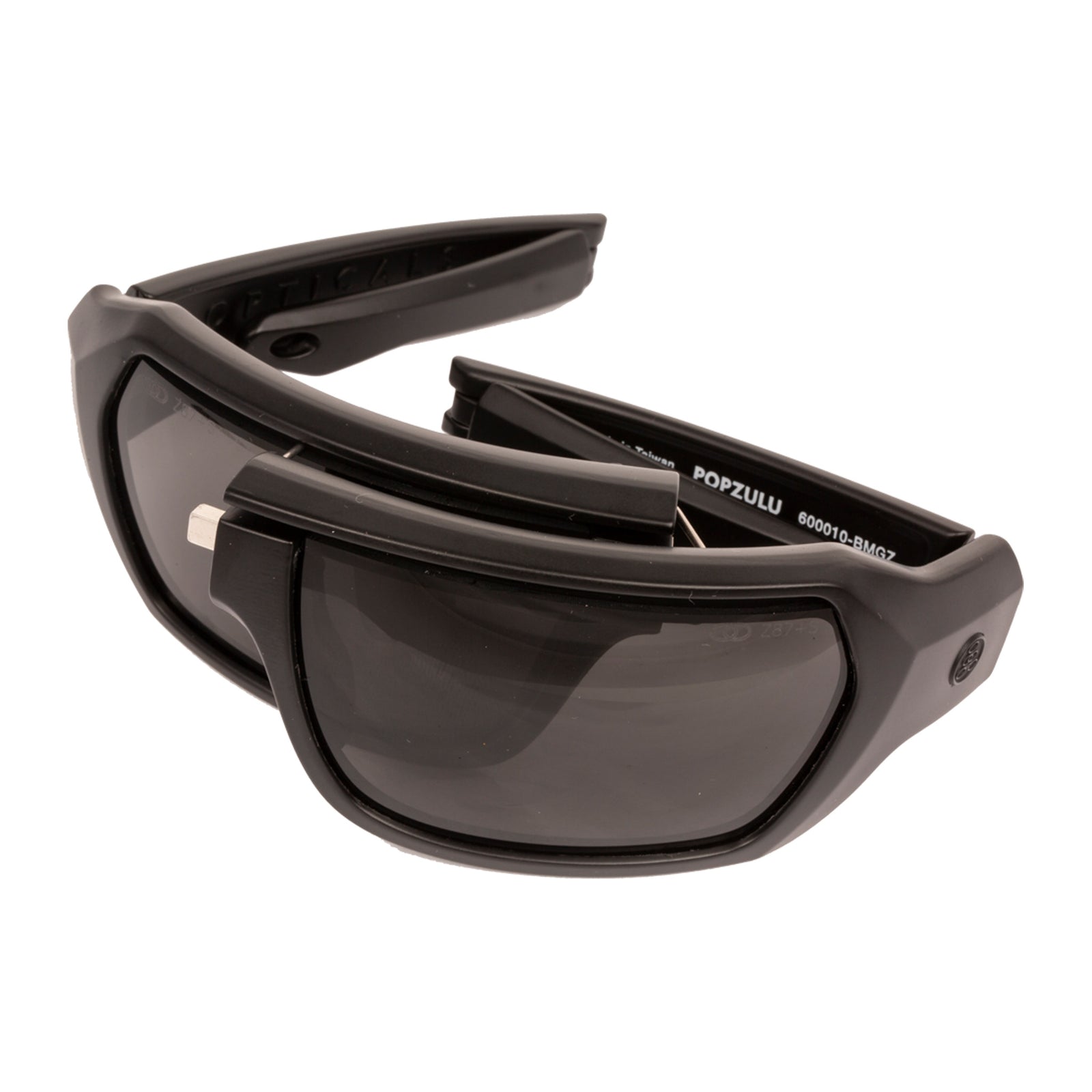
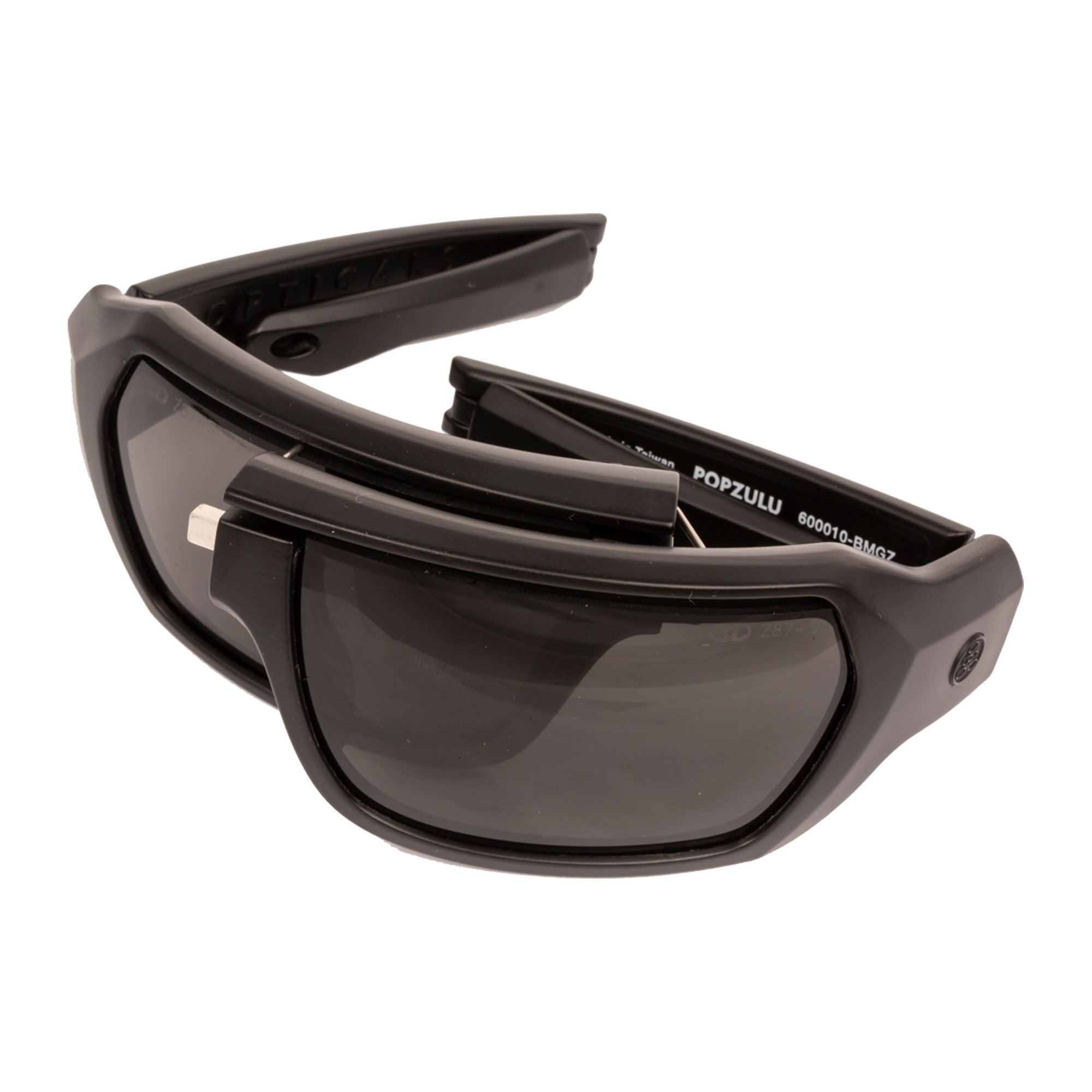
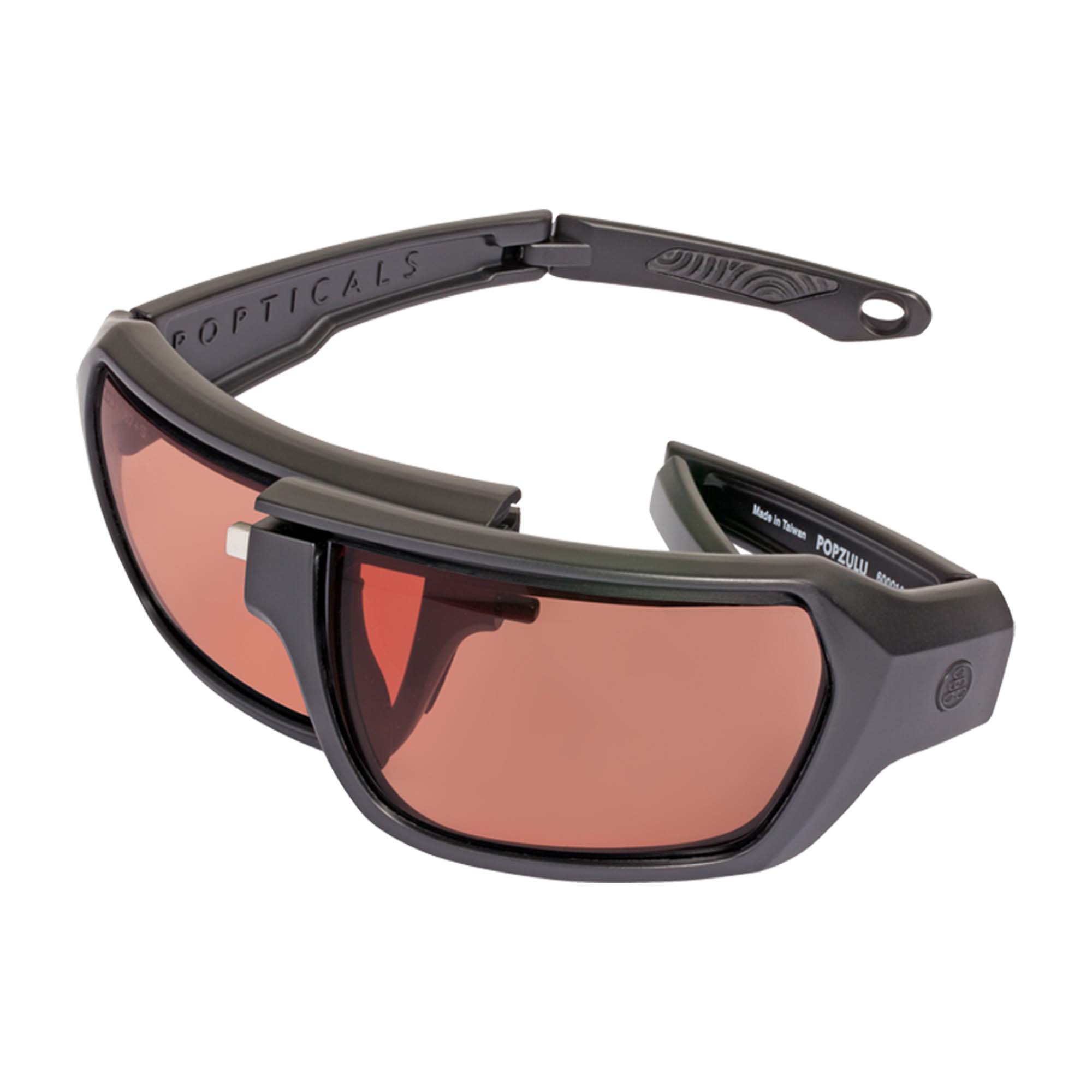
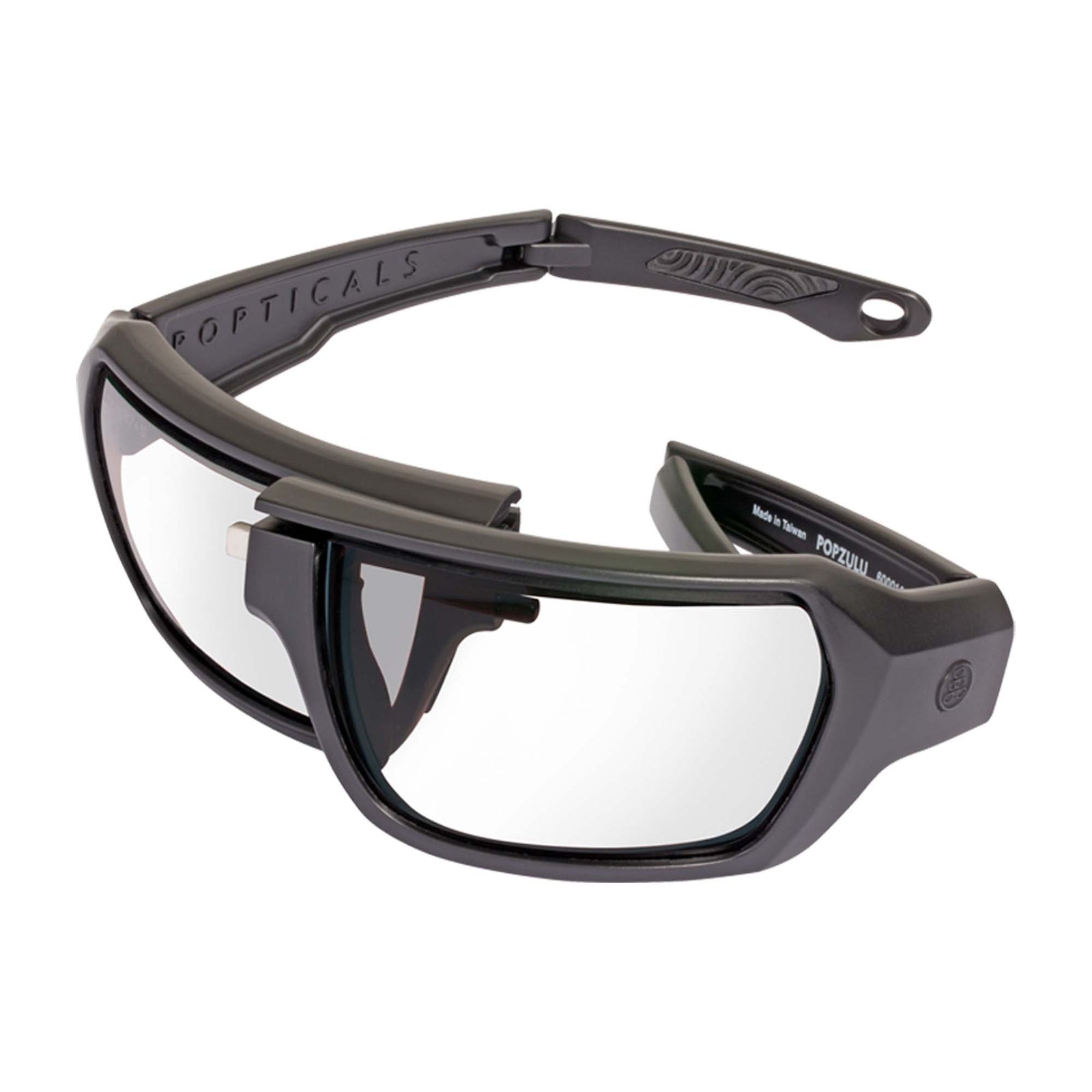
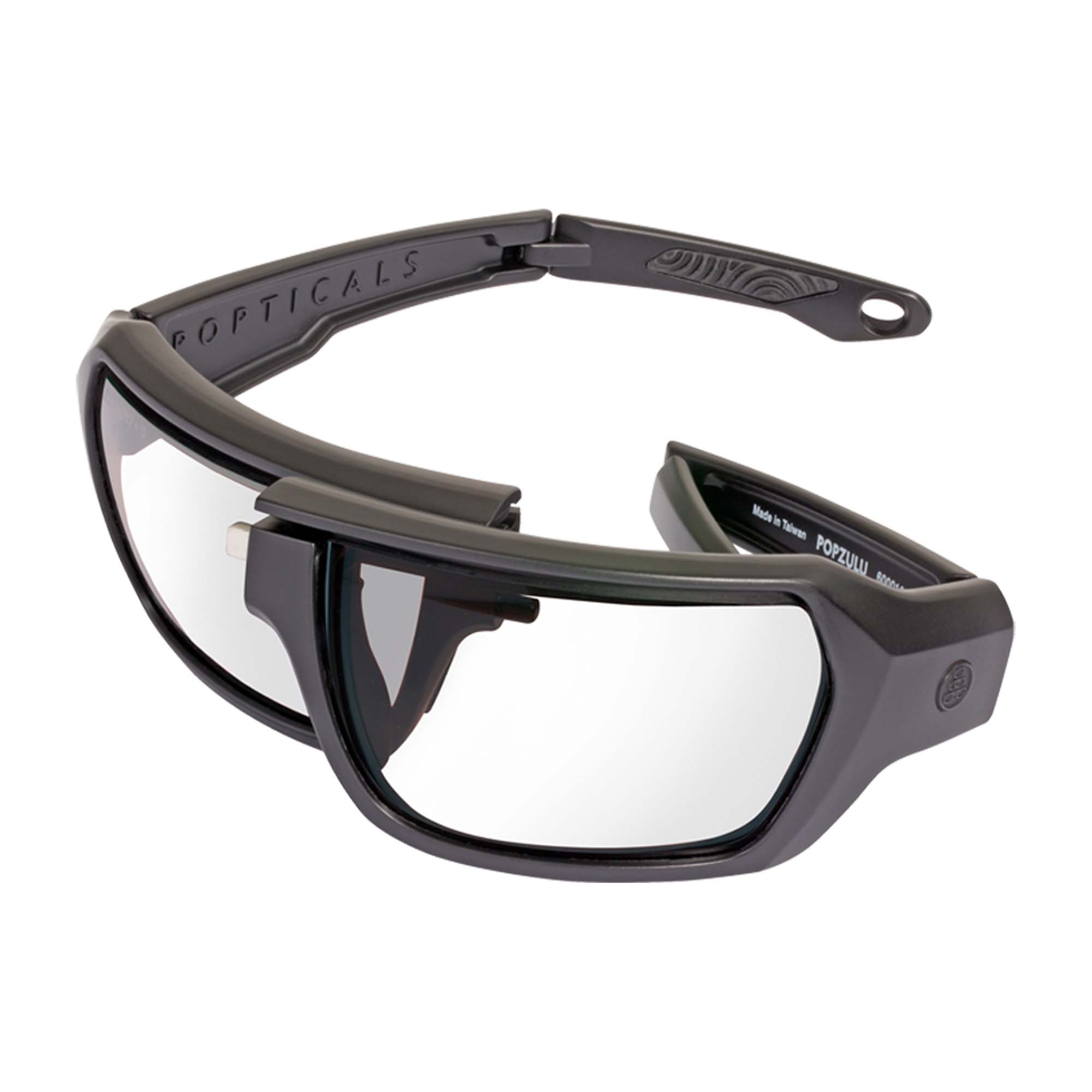
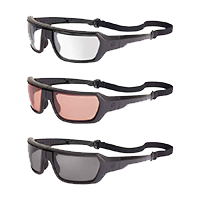
PopZulu eyewear is certified to both ANSI Z87.1+ and MIL-PRF-32432 standards, meaning you get unmatched protection for:
- Shooting range use
- Law enforcement and tactical response
- Hazardous workplace conditions
- Everyday wear where performance and portability matter
Plus, the patented collapsible frame design makes it easier than ever to carry protection wherever you go.
Final Verdict: Choose Based on Risk
If you’re working with light machinery or chemicals, standard safety glasses may be enough. But if you're dealing with firearms, flying debris, or potential combat conditions, ballistic eyewear isn’t a luxury — it's a necessity.
Don’t settle for “close enough.” Equip your eyes with protection that meets the threat.
Shop the POPZULU™ Collection →
Premium Ballistic & Safety Eyewear
Also in Tactical Insights | Ballistic & Safety Eye Protection

Colored vs. Clear Lenses Choosing the Right Tint for Shooting Conditions
Not sure which lens tint is right for shooting? Learn how colored vs. clear lenses impact contrast, clarity, and performance in different environments.

Real Stories: Eye Injuries That Could Have Been Prevented With Proper Eyewear
Learn from real-life eye injury cases across shooting, tactical, and industrial settings — and why ballistic-rated eyewear like POPZULU™ can make all the difference.
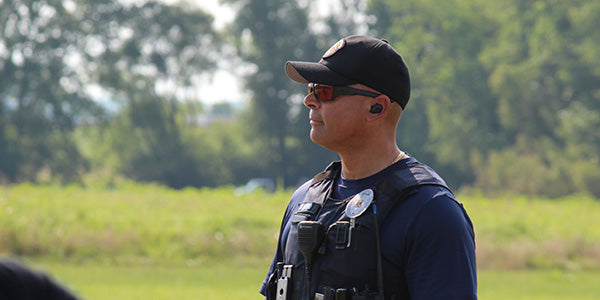

How Law Enforcement Officers Benefit from High-Performance Protective Eyewear
Discover how ballistic-rated eyewear protects law enforcement officers in high-risk environments. Learn why comfort, clarity, and certification matter on duty.