



THE UNFAIR ADVANTAGE
The NYDEF® Golf Learning Center is where we break down how to actually use the gear to score better — reading greens, beating the back-nine crash, and the science of seeing the course clearly.


FROM THE FIELD
The field knowledge behind the eyewear — standards that actually matter, how the pros run their setup, and how to choose protection that won't fight your comms.


BEYOND THE SPEC SHEET
Where engineering meets everyday — the science behind the optics, how the materials are built to last, and where Popticals shows up in the world.
Colored vs. Clear Lenses: Choosing the Right Shooting Tint
 By
The Popticals Team
2 min read
By
The Popticals Team
2 min read
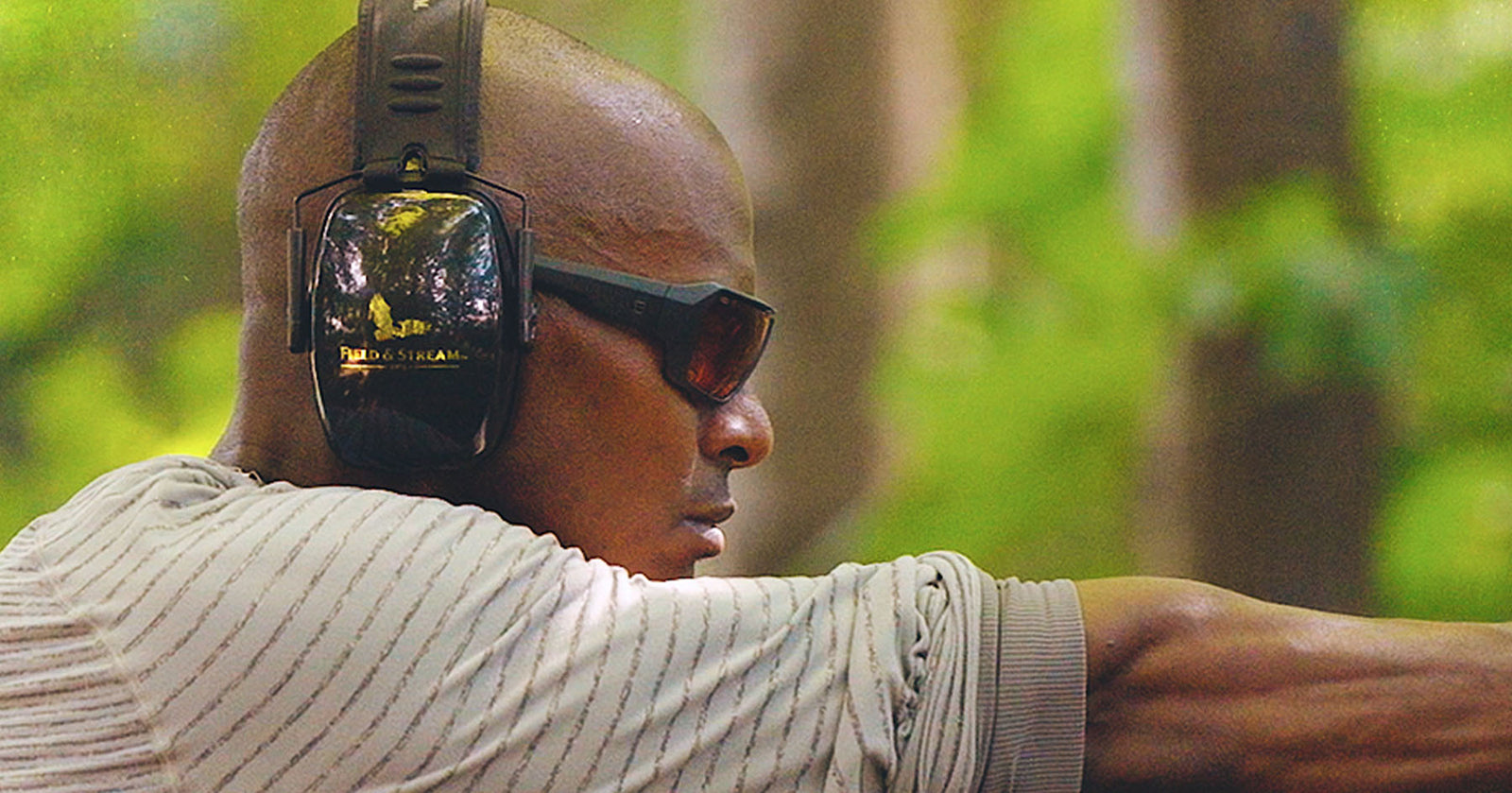

Lens Tint Isn't Just Style — It's Strategy
When it comes to ballistic eyewear, most people focus on protection — and rightly so. But what you see can be just as critical as what your glasses block. Choosing the right lens color for your environment can help:
- Sharpen your aim
- Reduce eye fatigue
- Improve contrast and depth perception
- Speed up target acquisition
So, should you go with clear lenses, tinted ones, or even a specialty color? Let’s break it down.
Yellow/Amber Lenses: Low Light Enhancement
Best For: Indoor ranges, cloudy days, dawn/dusk shooting
Amber and yellow tints increase contrast and depth perception by filtering out blue light. They brighten surroundings and sharpen your view in low-light environments.
- Pros: Boosts contrast, reduces haze
- Cons: Can slightly distort natural color
Great for: Competitive shooters, early morning range sessions, indoor tactical training
Smoke/Gray Lenses: Glare Reduction
Best For: Outdoor shooting on sunny days
Smoke or gray lenses reduce overall brightness without distorting color. They’re perfect for sunny environments where squinting and glare can throw off your shot.
- Pros: Maintains true color, reduces glare
- Cons: Not ideal for low-light situations
Great for: Hunters, outdoor ranges, all-day shooting sessions

Orange/Copper Lenses: Enhanced Target Pop
Best For: Medium-light environments with natural or artificial backdrops
These lenses boost contrast between targets and backgrounds, especially against green or blue environments — making targets “pop” visually.
- Pros: Excellent contrast, improved depth cues
- Cons: Strong tint may feel unnatural in some lighting
Great for: Sporting clays, wooded hunting, bright but overcast conditions
Clear Lenses: All-Around Protection
Best For: Indoor use, night shooting, law enforcement, industrial work
Clear lenses offer maximum visible light transmission and are required for certain safety applications. They provide no color distortion and full ballistic protection.
- Pros: True visibility, perfect for nighttime and indoor use
- Cons: No glare or brightness reduction
Great for: Police work, construction, indoor tactical training
Why POPZULU™ Offers Multiple Lens Options
POPZULU™ eyewear is powered by IMPACTO lenses by Carl Zeiss Vision, offering:
- Unmatched optical clarity
- Multiple lens tints to match your mission
- ANSI Z87.1+ and MIL-PRF-32432 protection
- Full UV blocking in all tint options
Whether you're clearing a building or tracking a target at 100 yards, there's a POPZULU™ lens made for your environment.
Bottom Line: Match Your Lens to Your Mission
The wrong lens won’t just impact comfort — it could cost you clarity, accuracy, or even safety. Choosing the right tint ensures your eyes are working with you, not against you.
Range Ready Protection
Uncompromising safety meets premium visual clarity. Equip yourself with Popticals Tactical eyewear.
Shop Ballistics


Shop Tactical Protection
Ballistic optics engineered for ANSI Z87.1+ / MIL-PRF-32432 impact standards and operational clarity.
Ballistics & Safety

POPZULU
$89 USD
Lens: Gray
Frame: Black
ANSI Z87.1+ / MIL-PRF-32432
Ballistics & Safety

POPZULU
$89 USD
Lens: Orange
Frame: Black
ANSI Z87.1+ / MIL-PRF-32432
Ballistics & Safety

POPZULU
$89 USD
Lens: Clear
Frame: Black
ANSI Z87.1+ / MIL-PRF-32432