

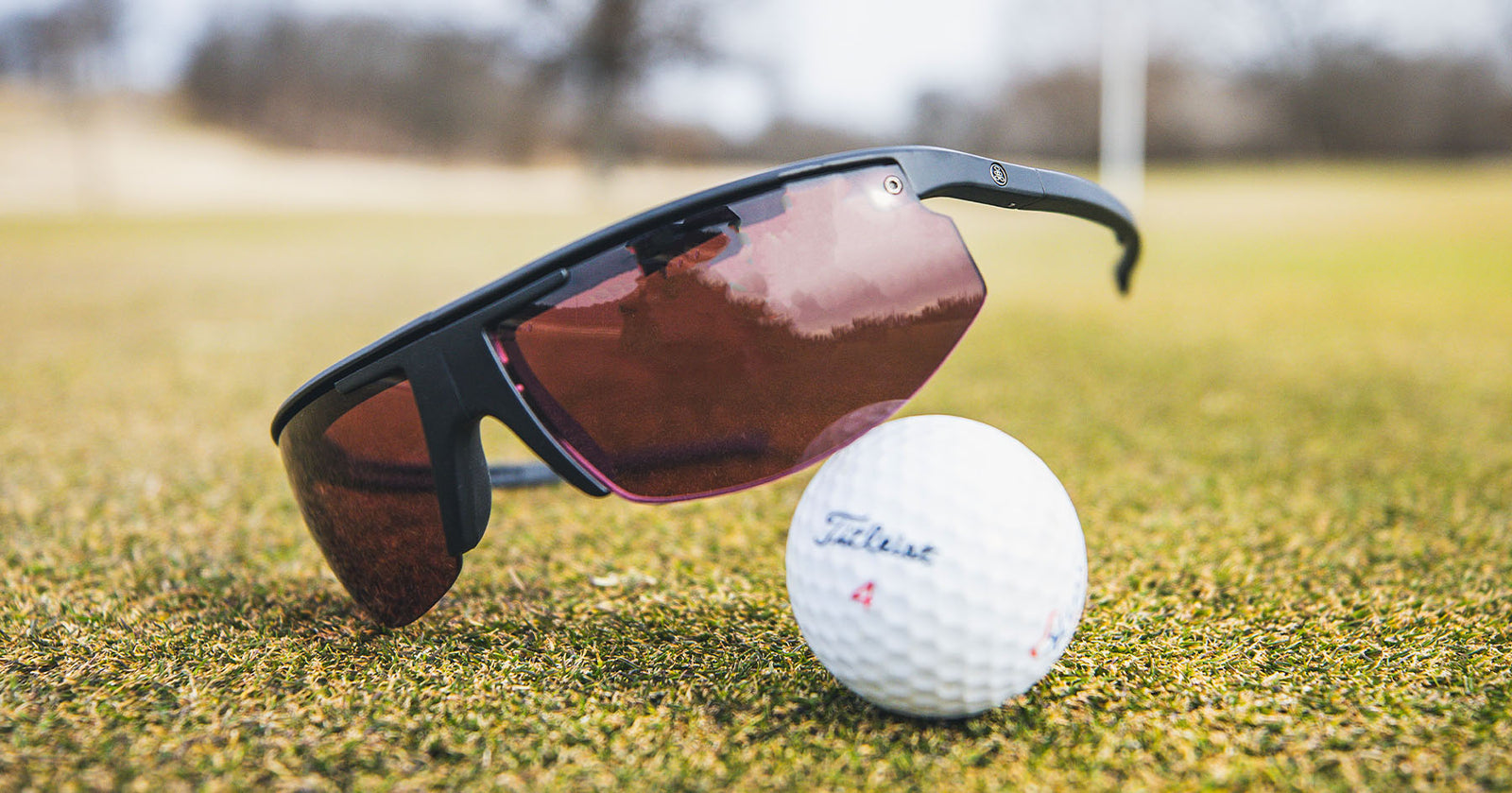



THE UNFAIR ADVANTAGE
The NYDEF® Golf Learning Center is where we break down how to actually use the gear to score better — reading greens, beating the back-nine crash, and the science of seeing the course clearly.
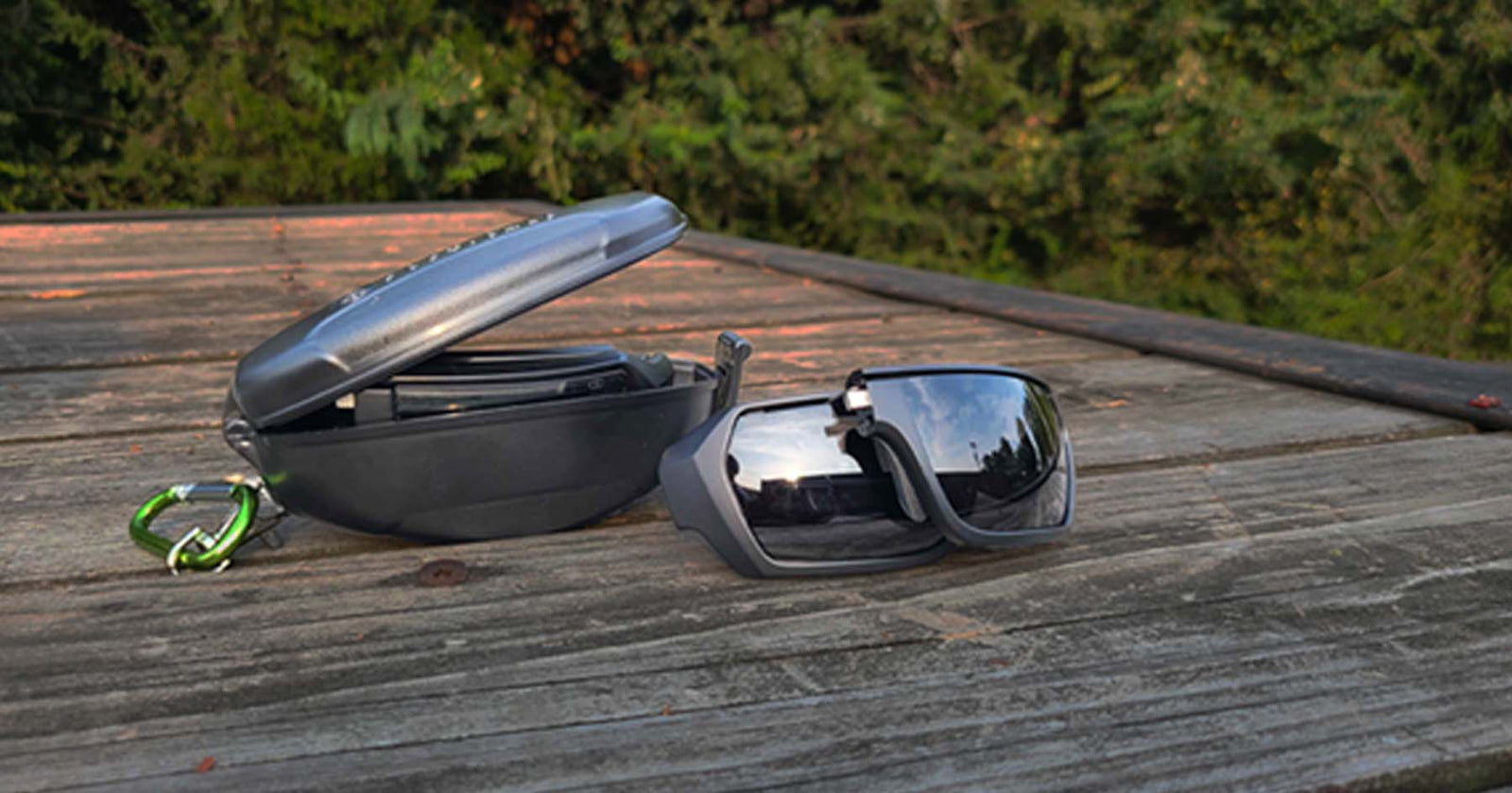



FROM THE FIELD
The field knowledge behind the eyewear — standards that actually matter, how the pros run their setup, and how to choose protection that won't fight your comms.
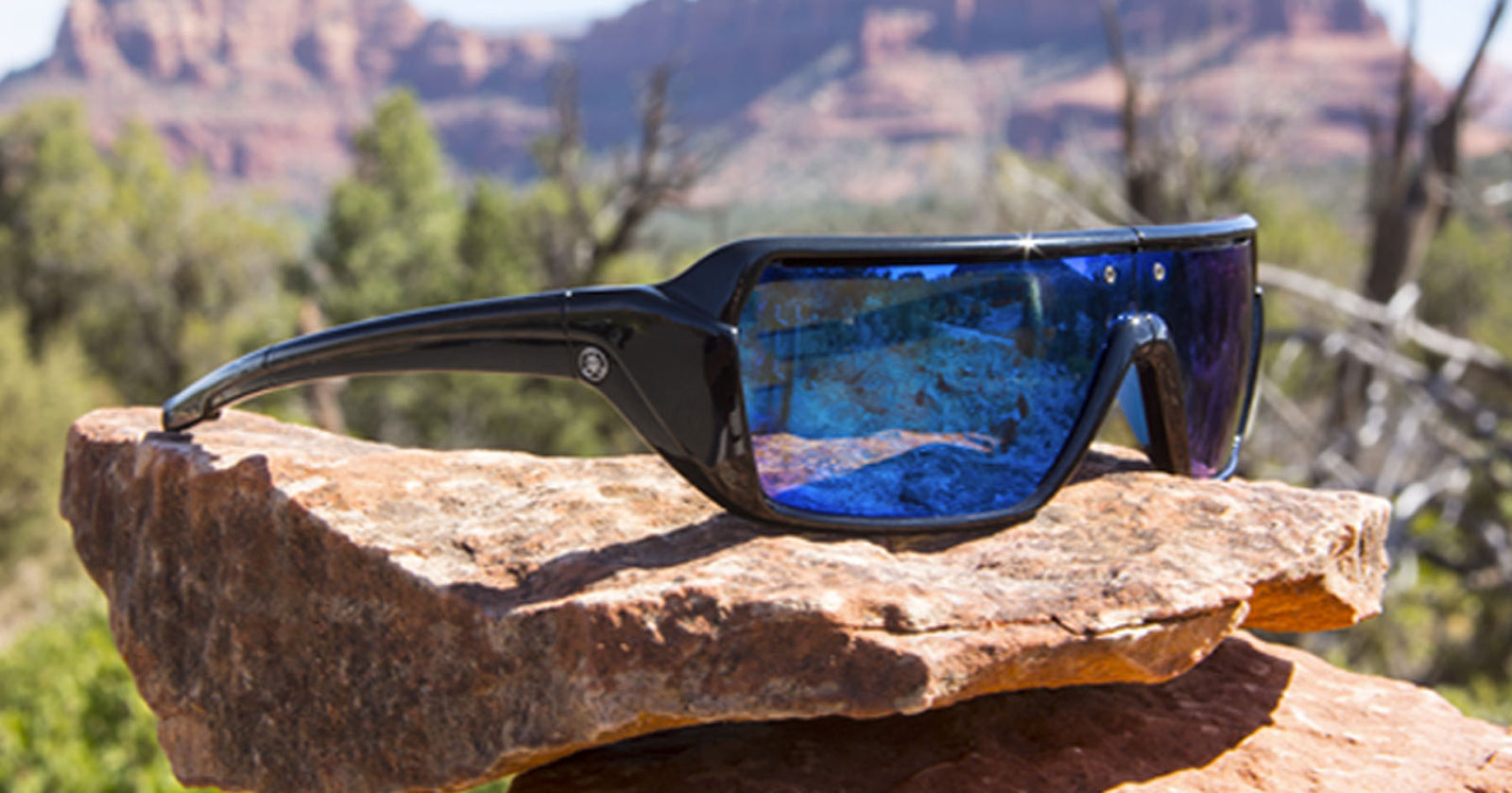


BEYOND THE SPEC SHEET
Where engineering meets everyday — the science behind the optics, how the materials are built to last, and where Popticals shows up in the world.
The Science of Sight: How Polarization and UV400 Protection Work
 By
The Popticals Team
3 min read
By
The Popticals Team
3 min read

Beyond the Tint: Understanding Optical Performance
When it comes to high-performance sports sunglasses, the goal is about much more than just dimming the sun. The best optical designs integrate several layers of technology to protect the eye while simultaneously enhancing visual data. To truly optimize your vision for the outdoors, you need a combination of three critical elements: UV400 filtration, glare-eliminating polarization, and a secure wrap-around architecture.
While most people expect UV protection, "polarization" is often misunderstood. We’re shedding some light on the science behind your lenses so you can understand how they actually work to give you a competitive edge.
What Do Polarized Lenses Actually Do?

Polarized sunglasses utilize a specialized filter built into the lens that acts as a gatekeeper. By blocking this reflected light before it enters the eye, you gain enhanced contrast and clarity without the need for constant squinting. For anglers, this means seeing past the surface of the water to the fish below. For golfers and hikers, it means seeing the subtle undulations of the landscape that would otherwise be washed out by the sun.

The Physics of Light: How Polarization Works
To understand how this filter works, you have to look at the behavior of light waves. When sunlight travels, its photons vibrate in all directions (vertically, horizontally, and everywhere in between). However, when that light hits a flat surface—like a calm lake or a paved road—the light waves become "polarized," meaning they begin to vibrate primarily in a horizontal orientation. This concentrated horizontal light is what we experience as glare.

Polarized lenses contain an embedded chemical filter that is vertically aligned. This "vertical fence" allows the useful vertical light to pass through to your eye while completely blocking the intrusive horizontal rays. It is essentially a microscopic blind that lets you see the world clearly without the visual "noise" of glare.
UV400: The Gold Standard for Eye Health
While polarization handles clarity, UV400 handles health. Not all sunglasses are created equal in this department. Ultraviolet (UV) rays are measured in nanometers, primarily categorized as UVB (280–315nm) and UVA (315–400nm). Many low-quality sunglasses only block the shorter UVB rays, leaving your eyes vulnerable to the deeper-penetrating UVA rays.
A UV400 rating means the lens filters out 100% of all UV rays up to 400 nanometers. This is critical because unprotected exposure can cause immediate "sunburn" to the cornea and lead to long-term issues like cataracts, macular degeneration, and even skin cancer around the eyes. Never be fooled by dark tints; a dark lens without a UV400 filter is actually more dangerous, as it causes your pupils to dilate and allow more harmful light into the back of the eye.
Wrap-around Design: Form Following Function
Finally, for sports, the physical shape of the frame is a performance factor. Humans have a curved skull, yet many fashion sunglasses are designed in a flat plane. A wrap-around design ensures a secure, ergonomic fit that stays in place during high-exertion activities. More importantly, it eliminates "stray light"—the UV rays that enter from the periphery of traditional frames. By curving the lens around the face, you create a total seal of protection from every angle.
At Popticals, we marry these three pillars—Polarization, UV400 protection, and wrap-around ergonomics—with our patented portability, ensuring you never have to choose between elite performance and convenience.
See The Difference
Premium, cutting-edge eyewear designed for peak performance and visual clarity wherever your adventures take you.
Shop All Popticals


Shop Performance Optics
Explore the core collection featuring NYDEF® lens technology and patented portable engineering.

POPSIGN
$190
Lens: Polarized, Gray
Frame: Black

POPSTAR
$250
Lens: Polarized, Gray
Frame: Black

POPSIGN
$210
Lens: Polarized, Blue Mirror
Frame: Gloss Blue over Clear Crystal